
Data Protection laws

PTSD UK Calls for Stronger Data Protection Laws to Safeguard Survivors

At PTSD UK, we are dedicated to supporting people affected by Post Traumatic Stress Disorder (PTSD) and Complex PTSD (C-PTSD). We understand that trauma takes many forms, and for many survivors, safety is not just about physical security—it’s also about protecting personal information from those who may seek to cause harm.

Recently, we were contacted by someone we have supported in the past, who bravely shared their experience of how a series of data breaches placed them in immediate danger. Their case is not unique. Many survivors of trauma, domestic abuse, and coercive control take extraordinary steps to protect themselves, only to find that weaknesses in data protection laws can undo those safeguards in an instant.

Their story was deeply concerning: despite becoming an Anonymous Voter to prevent their abuser from accessing their address, a local authority’s poor data protection practices led to their information being exposed, placing them at risk. This is not an isolated incident, and it highlights a critical gap in existing data protection laws—one that leaves survivors vulnerable.

Taking Action: PTSD UK’s Letter to Parliament

As a result of this powerful testimony, we have taken action. PTSD UK has submitted a letter to Parliament, urging stronger data protection measures within the Data (Use and Access) Bill.

In our submission, we have called for:

  • Stronger safeguards for Anonymous Voters and survivors of abuse.
  • Mandatory risk assessments when handling personal data that could impact survivors.
  • Improvements to the Information Commissioner’s Office (ICO) response to survivor cases.
  • Recognition of data breaches as a safeguarding issue with legal consequences for those affected.

We also highlighted research that reinforces the serious psychological consequences of data breaches, particularly for those living with PTSD and C-PTSD. Studies show that personal data exposure can lead to panic attacks, heightened anxiety, flashbacks, and an increased sense of danger in daily life (Scholarship at UNC LawNational Library of MedicineICO Report). Survivors should never have to live in fear that their data will be carelessly exposed, undoing the efforts they have made to protect themselves.

Why This Matters

For survivors of trauma, a data breach is not just an inconvenience—it can be life-threatening. Weak data protection enables stalking, harassment, financial coercion, and further abuse. It also leaves many survivors feeling powerless, retraumatised, and unheard when their complaints are dismissed or ignored.

We stand by the person who reached out to us, and by all those who have been affected by data breaches, doxxing, and failures in safeguarding. Their bravery in speaking out has led directly to our action, and we are committed to ensuring that Parliament hears the voices of those most at risk.

What’s Next?

We hope that our letter will contribute to meaningful changes in the Data (Use and Access) Bill, ensuring that survivors of trauma and abuse are properly protected under UK data laws.

If you have been affected by a data breach and need support, please know that you are not alone. PTSD UK will continue to advocate for stronger protections, improved safeguarding measures, and a world where survivors feel safe—both in person and online.

We will keep you updated on any responses from Parliament regarding our submission.

Together, we can push for stronger data protection laws that prioritise survivor safety and well-being

Hello! Did you find this information useful?

Please consider supporting PTSD UK with a donation to enable us to provide more information & resources to help us to support everyone affected by PTSD, no matter the trauma that caused it

PTSD UK Blog

You’ll find up-to-date news, research and information here along with some great tips to ease your PTSD in our blog.

PTSD: The Monstrous Conductor

Guest post: ‘The Monstrous Conductor’ We’re honoured to share a deeply moving and beautifully written piece by Emma. At just 16, Emma poured her heart into The Monstrous Conductor, a creative essay that captures her experience of PTSD and flashbacks—expressed through her love
Read More »

Link between Autism and PTSD

New Research Highlights the Link Between Autism and PTSD: A Call for Tailored Support and Treatment A groundbreaking study published in iScience has shed light on the heightened susceptibility of people with autism spectrum disorder (ASD) to Post Traumatic Stress Disorder (PTSD).
Read More »

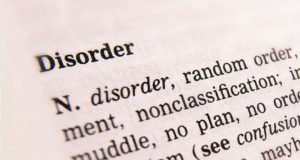
Disorder terminology

PTSD: The Debate Over ‘Disorder’ in the Name The term Post Traumatic Stress Disorder (PTSD) has been widely used in medical and public discourse for decades. But in recent years, debate has grown over whether the word ‘disorder’ is appropriate.
Read More »

The Trauma of Medicine

Guest Post: The Trauma of Medicine Medical trauma is often overlooked, yet it can have a lasting impact, leading to PTSD, C-PTSD, or other mental health challenges. In this powerful guest post, our anonymous contributor shares their experience of medical trauma, from

Read More »

Choosing a specialist to help you overcome PTSD

Guest Blog: Choosing a specialist to help you overcome PTSD Choosing the right professional to support your PTSD or C-PTSD recovery can feel overwhelming. Dr Erlend Slettevold, Dr Isabel Avery, and Dr Kirsty Rice, Clinical Psychologists at The Oak Tree Practice, share

Read More »

Everest Virtual Challenge

Take on Everest from Anywhere with PTSD UK’s Virtual Everest Base Camp Challenge! Could you walk to Everest Base Camp? This September, as PTSD UK celebrates its 10th birthday, we are taking on our most ambitious challenge yet—trekking to Everest Base Camp to raise

Read More »

PTSD UK Supporters Store

100% of the profits from everything in our online Supporters Store goes directly to our mission – to help everyone affected by PTSD in the UK, no matter the trauma that caused it.

Treatments for PTSD

It is possible for PTSD to be successfully treated many years after the traumatic event occurred, which means it is never too late to seek help. For some, the first step may be watchful waiting, then exploring therapeutic options such as individual or group therapy – but the main treatment options in the UK are psychological treatments such as Eye Movement Desensitisation Reprogramming (EMDR) and Cognitive Behavioural Therapy (CBT).

Traumatic events can be very difficult to come to terms with, but confronting and understanding your feelings and seeking professional help is often the only way of effectively treating PTSD. You can find out more in the links below, or here.

Imagery Rescripting

ImRs is a technique that is often used in therapy to deal with upsetting or significant images that occupy our mind. It helps people to dismantle the emotional context behind thoughts and perceptions that trouble them.


Emotional Freedom Techniques (Tapping)

Emotional Freedom Techniques (EFT) or ‘tapping’ is a scientifically proven technique which can release any ‘blockages’ in this energy, which can be the source of emotional intensity and discomfort, and has shown to be incredibly effective at treating PTSD and C-PTSD. Find out more about EFT and tapping here


Compassion Focused Therapy

Compassion focused therapy is usually an aspect of Cognitive Behavioural Therapy and can help people with PTSD and C-PTSD to address feelings of shame, guilt and lack of self-belief.
 
The basis of using this as a PTSD and C-PTSD recovery tool is to focus on fundamental aspects of human nature. Find out more about CFT here