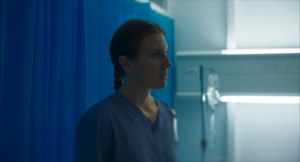
The episodes feature Abi Webster (played by Sally Carman) as she begins to experience flashbacks and distressing visions following the traumatic death of Mason Radcliffe. Abi’s struggles reflect the emotional and psychological toll of trauma, often misunderstood or misrepresented in society. Witnessing Mason’s stabbing triggers vivid memories of her son Seb’s violent death, causing Abi’s mental health to deteriorate. Her loved ones notice her struggles and encourage her to seek professional help.
This collaboration comes at a crucial time: it’s estimated that 4 in 100 people in the UK are living with PTSD in any given week—equating to over 2.6 million people. PTSD is a mental health condition that can develop after experiencing or witnessing life-threatening events, such as violence, accidents, natural disasters, or traumatic childbirth. Research suggests that while most people recover naturally from trauma, around 20% develop PTSD, a condition that can profoundly affect their daily lives.
Coronation Street’s portrayal is significant, as its average audience of over three million viewers provides a unique platform to educate the public about PTSD. By depicting Abi’s struggles with sensitivity and authenticity, the storyline encourages open conversations about trauma, reduces stigma, and fosters understanding.
Coronation Street reached out to PTSD UK last year with the aim of ensuring an accurate and sensitive portrayal of PTSD. The PTSD UK team worked closely with the show’s writers and production team over a number of months, providing expert insights into PTSD’s causes, symptoms, and treatments. Through consultations and script reviews, the charity ensured Abi’s experiences were portrayed authentically and sensitively, reflecting the complexities of living with PTSD. This collaboration follows PTSD UK’s longstanding commitment to providing reliable, science-backed information on PTSD and C-PTSD. Through its work, the charity aims to raise awareness and foster greater understanding of the causes, symptoms, and treatments available for PTSD. Their educational resources support not only the public but also professionals, including healthcare providers and government bodies, helping them to understand the lived reality of those affected by PTSD and C-PTSD.
PTSD UK has a long history of collaborating with the media to ensure accurate and non-stereotypical portrayals of PTSD, having previously worked with scriptwriters for BBC dramas, ITV’s Emmerdale, and a new Warner Bros International film. This latest partnership with Coronation Street marks another significant step in the charity’s ongoing efforts to educate audiences about the condition and challenge the stigma around trauma.
“It’s been a privilege to work with Coronation Street on this important storyline,” said Jacqui Suttie MBE, Founder and CEO of PTSD UK. “The portrayal of Abi’s experience is a powerful representation of the psychological toll that experiencing trauma can have. Too often, PTSD is misrepresented or oversimplified in the media, so we’re thrilled that Coronation Street has chosen to take a responsible and informed approach with their scripts. By highlighting the complexity of PTSD and trauma, we hope it will prompt viewers to have a greater understanding of what people living with PTSD and C-PTSD go through, and ultimately encourage more people to seek help when they need it.”
Despite the challenges of PTSD and C-PTSD, there is hope. Effective treatments, such as Eye Movement Desensitisation and Reprocessing (EMDR), can help people process trauma and reduce symptoms. For many, treatment can significantly improve quality of life, but stigma and a lack of understanding often prevent people from seeking help.
PTSD UK remains committed to breaking down these barriers. Through collaborations like this, the charity continues to advocate for accurate portrayals of PTSD and provide resources to support those affected.