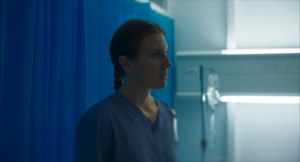
At PTSD UK, we worked closely with the Coronation Street team to ensure that Abi’s story reflected the reality of living with PTSD. And now, seeing the reaction from people who have experienced PTSD themselves, we know this collaboration has made a real impact. From validation and relief to the hope that this will increase understanding, the feedback has been extraordinary. One viewer shared:
“This has really hit home for me… it is how we live prior to treatment and even then flares are very hard to cope with… well done for raising awareness accurately!”
A Groundbreaking Portrayal of PTSD
Accurate representation of PTSD in the media has been long overdue. Many depictions have focused solely on war veterans, dramatic outbursts, or overly simplified symptoms—often missing the complexity of how PTSD affects everyday life. But Coronation Street’s portrayal of Abi’s experience was different. By showing how trauma manifests in unexpected ways, how it impacts relationships, and how people often struggle in silence before seeking help, the show has struck a chord with viewers.
One person commented:
“As a sufferer myself, I think that it’s a very good depiction of the reality of PTSD and very moving.”
Another shared how seeing Abi’s struggle on screen mirrored their own experience:
“Abi’s portrayal of her trauma responses pretty much mirror my own. It is a scary time when you’re going through it and it’s even resulted in me attending hospital on numerous occasions as I couldn’t cope with the visions, the paranoia, the flashbacks, the anxiety etc.”
And the accuracy of the depiction has been frequently commented on:
“They have covered the flashbacks incredibly accurately”
These reactions highlight why it was so important for PTSD UK to be involved in shaping this storyline.
PTSD UK’s Role in the Collaboration
From the earliest stages of the storyline’s development, PTSD UK worked closely with Coronation Street‘s writers and production team. We provided insights on PTSD’s causes, symptoms, and treatments, ensuring that Abi’s journey was grounded in real experiences. This included script reviews, discussions on common trauma responses, and guidance on how PTSD can affect different aspects of life—from relationships and work to daily routines.
By collaborating with Coronation Street, we ensured that Abi’s experience was not sensationalised or simplified, but instead reflected the real and often devastating impact PTSD can have. As one viewer put it:
“Thought this was absolutely brilliant, described things exactly, and helps me explain to those who have told me ‘I’m away with the fairies’. It’s taking away the stigma, the unnecessary pathologising, shame, and confusion. Made me cry with sympathy and relief. Thank you, all!”
That said, we recognise that some comments have highlighted concerns that PTSD is not just about flashbacks, and we completely agree. PTSD and C-PTSD are complex conditions that affect people in many different ways, from emotional struggles and hypervigilance to physical symptoms and the impact on relationships. While we worked closely with Coronation Street to ensure an accurate and sensitive portrayal, our influence is naturally limited by the time available for each storyline in a show of this scale. That said, we’ve been heartened to see viewers recognising a range of symptoms throughout the past few weeks—not just flashbacks, but also the emotional toll on Abi’s relationships, her distress, avoidance, and heightened responses to triggers. We know that no single storyline can capture every aspect of PTSD, but we hope this is an important step in increasing awareness and understanding.
Why This Storyline Matters
This collaboration isn’t just about TV drama—it’s about changing perceptions, breaking stigma, and making people feel seen. PTSD and C-PTSD affect millions of people, yet the lack of awareness often leaves those suffering feeling misunderstood, dismissed, or isolated. Many people have expressed how much this storyline means to them:
“Hopefully this will make people sit up and realise how difficult it can be for people living with this ❤️ I’ve spent most of the day trying to get ‘professionals’ to understand, but guess the truth is unless you’ve been through it, nobody will truly understand how difficult everyday and night can be living with this.”
And the power of Coronation Street’s platform cannot be overstated. With millions of viewers, this storyline has the potential to educate the public, encourage conversations, and help more people seek support. As one person put it:
“That is great that we are getting more awareness through popular TV programmes.”
Many viewers also recognised the importance of showing that PTSD can develop from a wide range of traumatic experiences—not just war, but loss, abuse, violence, accidents, and many other life-changing events:
“This is good news! There needs to be more societal awareness that PTSD can be triggered by many traumatic experiences and not just soldiers or those impacted by war and natural disasters.”
The Power of Media in Raising Awareness
Coronation Street has a long history of tackling important social issues—from domestic abuse to addiction and now PTSD. When popular TV shows portray mental health conditions accurately, they don’t just entertain—they educate, inform, and change lives. By collaborating with PTSD UK, Coronation Street has taken an important step in challenging misconceptions about PTSD and encouraging more open conversations about trauma and recovery.
“Amazing work! This will do so much to remove stigma. 🩷”
One viewer summed up the importance of accurate portrayals:
“And it was so accurate… Could spot Abi’s triggers and knew it was going to spiral for her, unfortunately. 😢 Many congrats on your work with ITV! 😍👏”
Taking the Next Step: Learning and Supporting Those Affected
Raising awareness doesn’t stop here. By educating ourselves and others, we can help break down the stigma, encourage those struggling to seek help, and create a more supportive society. PTSD UK offers free resources, guides, and support for people affected by PTSD and C-PTSD—whether you are living with it yourself or supporting someone who is.
If Abi’s story has brought up difficult emotions for you, please know that help is available. Whether you are newly recognising symptoms or have been living with PTSD or C-PTSD for years our website is full of information on therapy options, coping strategies, and where to find professional help. You are not alone in this journey.