Case Study: EMDR Treatment – Britany

Case Study: EMDR Treatment – Britany

After struggling for years with Complex PTSD caused by childhood trauma, Britany began EMDR treatment. In this case study, she shares her journey of navigating the complexities of C-PTSD and the transformative effects of EMDR therapy.

“I am sharing my story to raise awareness about the condition and different things which have helped me in my recovery. One thing that has really helped me is sports as I enjoy running as it helps me to clear my head when I am overthinking or if I have too many emotions at once which is why I am doing the Great North Run.

Before I went through EMDR treatment I struggled with day-to-day life, and I also found it difficult to see other people’s point of views or how my own actions affected other people. I also struggled to manage my own emotions along with regulating them which made it hard for me to see other people’s emotions as well. I have had Complex PTSD since childhood from childhood trauma, but symptoms only appeared 3 years ago.

Before EMDR I tried CBT (cognitive behaviour therapy) to see if it would help me to
regulate my emotions and to understand others’ emotions as well. I then heard about EMDR therapy through friends who said that it had helped them. So, we then asked about it and found out some more information before trying it.

Before trying the treatment, I was nervous and worried about it as I did not know
what to expect or if it would work. I was also nervous about meeting a new person as I found it difficult to trust others or to let people help me. However, I was hopeful that it may work over time along with this my friends and family were also hopeful that it would work or at least help me in some way.

I had EMDR privately as it was not available with the NHS in our area. When I had my first session, I was nervous and scared beforehand but afterwards I felt a lot happier about everything as the process was explained to me and I knew what to expect for future sessions. In the other sessions to start with I felt stuck but once I got more comfortable with letting my emotions out, I did have a sense of relief which increased over time. The main time where a change was just over halfway through my sessions when I then noticed that I was talking more to others if I was struggling, and I was also letting out my emotions if I felt them building up. In total I had 21 EMDR sessions before finishing the treatment.

Since the EMDR sessions finished I have felt happier about life, and I am going out more and experiencing a lot of different opportunities. I do still have the odd day where I may feel low or numb, but I know that the day will pass and tomorrow can be a whole different day again. On the days where I do feel low or numb, I just try to keep busy and do things that I enjoy getting me through the day.

One thing that I have learnt over time is that no matter how dark things may seem there is always a light somewhere even if it is a tiny little dot of light, it is something and over time it will get bigger and brighter.

I am also running the Great North Run this year and I am hoping to raise £1000, so far I have raised £700 and would be grateful for any donations Along with this I am also doing a bingo in October to help raise funds and to also spread more awareness of the condition as a whole and that there is help and support available.”

You can find out more about EMDR treatment here. 

Image

Photo by aisvri on Unsplash

Hello! Did you find this information useful?

Please consider supporting PTSD UK with a donation to enable us to provide more information & resources to help us to support everyone affected by PTSD, no matter the trauma that caused it

PTSD UK Blog

You’ll find up-to-date news, research and information here along with some great tips to ease your PTSD in our blog.

Invisible Prison

The Invisible Prison: Living with Complex PTSD In this guest post, Billy McKay writes about growing up in Glasgow and how the things he learned as a child about staying safe shaped the person he became. Billy lives with C-PTSD,

Read More »

PTSD: The Monstrous Conductor

Guest post: ‘The Monstrous Conductor’ We’re honoured to share a deeply moving and beautifully written piece by Emma. At just 16, Emma poured her heart into The Monstrous Conductor, a creative essay that captures her experience of PTSD and flashbacks—expressed through her love
Read More »

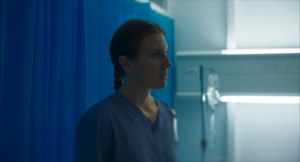
Drowning drama

PTSD and the importance of authentic representation on screen: ‘Drowning’ PTSD and C-PTSD are often misunderstood, both on and off screen. Portrayals in the media frequently focus on dramatic flashbacks or military experiences, but the reality of living with PTSD

Read More »

Writing poetry

Why writing poetry might help you with PTSD Writing has always been Fiona Fletcher Reid’s way of making sense of things. So when she began therapy for her trauma and found she could no longer face the page, the loss

Read More »

why I made traumality

Why I Made TRAUMALITY – Guest Post This is a guest post by Ton Mazzone, director of the documentary TRAUMALITY, which we’re screening online with him on Tuesday 6 October 2026. Ton spent four years and spoke to 22 experts
Read More »

The cost of birth trauma

Birth trauma is costing the NHS millions, and most people affected still aren’t getting help A report launched in Parliament this month is the first to work out what Post Traumatic Stress Disorder after childbirth costs the NHS. It comes

Read More »

PTSD UK Supporters Store

100% of the profits from everything in our online Supporters Store goes directly to our mission – to help everyone affected by PTSD in the UK, no matter the trauma that caused it.

Treatments for PTSD

It is possible for PTSD to be successfully treated many years after the traumatic event occurred, which means it is never too late to seek help. For some, the first step may be watchful waiting, then exploring therapeutic options such as individual or group therapy – but the main treatment options in the UK are psychological treatments such as Eye Movement Desensitisation Reprogramming (EMDR) and Cognitive Behavioural Therapy (CBT).

Traumatic events can be very difficult to come to terms with, but confronting and understanding your feelings and seeking professional help is often the only way of effectively treating PTSD. You can find out more in the links below, or here.